


Introduction to Air Conditioners
Air conditioners are essential for keeping your home comfortable, especially during those sweltering summer days or in climates where heat is a constant companion. At their core, air conditioners are designed to cool and dehumidify indoor spaces, creating a more pleasant environment. Whether you live in a region with intense summer heat or just want to ensure your living area remains cool and comfortable, understanding how air conditioners work and what options are available can help you make the best choice for your needs.
Types of Air Conditioners: What to Choose?
When it comes to selecting the right air conditioner, it’s important to know the different types available and their unique benefits. Here’s a look at two popular options:
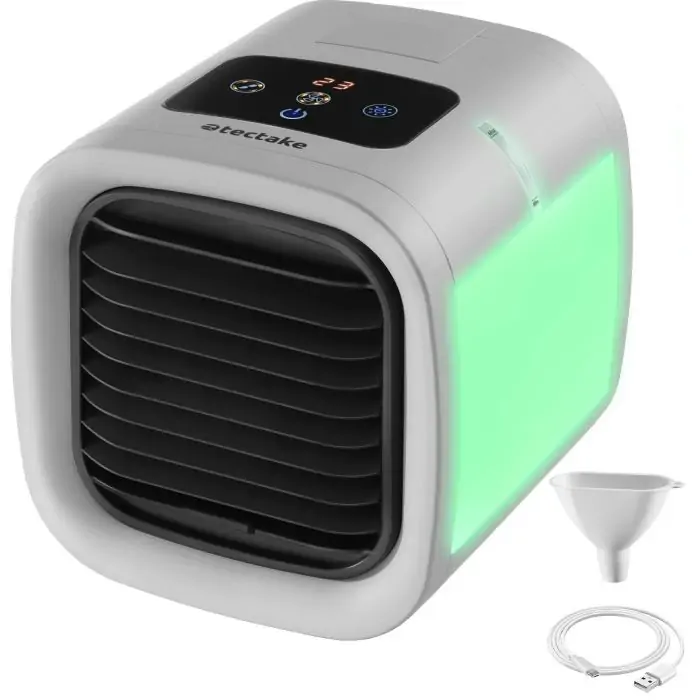
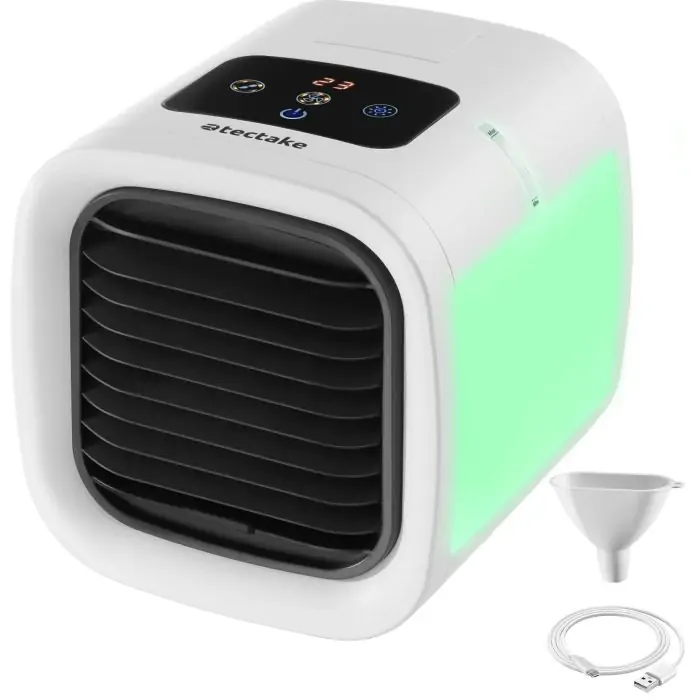
- Portable Air Conditioner: This portable AC unit is a versatile choice if you need flexibility. It’s perfect for cooling smaller spaces or for use in rooms where a permanent installation isn't practical. A portable air conditioning unit can be moved from room to room, making it an excellent option for those who need temporary cooling solutions or live in rental properties.
- Central Air Conditioner: If you’re looking for a more comprehensive cooling solution, a central air conditioner might be the right fit. This type of system is designed to cool your entire home through a network of ducts. It’s ideal for larger spaces and provides consistent cooling throughout your living area. Though it requires a more complex installation process, it’s efficient for maintaining a stable temperature across multiple rooms.
Choosing the Right Air Conditioner: Key Considerations
When it comes to selecting the perfect air conditioner for your home, there are several key factors to consider. Making an informed choice will not only enhance your comfort but also help you manage your energy bills effectively. Here’s what you need to keep in mind:
- Size of the Space: One of the most crucial factors is matching the size of the AC unit to the size of the room or area you want to cool. An air conditioner that is too small for your space will struggle to provide adequate cooling, while one that is too large may lead to inefficient operation and higher energy costs. To determine the right size, measure the area in square feet and consult the manufacturer’s guidelines for the appropriate cooling capacity.
- Energy Efficiency: Energy-efficient models can make a significant difference in your monthly utility bills. Look for portable air conditioning units or central systems with high SEER (Seasonal Energy Efficiency Ratio) ratings. These units are designed to use less energy while providing effective cooling, which can be especially beneficial if you live in an area with frequent heatwaves.
- Features: Modern AC units come with a range of features that can enhance your comfort. Consider units with programmable thermostats, remote controls, and multiple fan speeds. For example, a portable air conditioner with a remote control allows you to adjust settings without having to get up, while a programmable thermostat can help you maintain a consistent temperature without overworking the unit.
Maintenance and Care for Your Air Conditioner
Proper maintenance is essential to keep your air conditioner running efficiently and to extend its lifespan. Regular care not only ensures optimal performance but also helps you avoid costly repairs. Here are some maintenance tips to follow:
- Regular Cleaning: Keeping your portable air conditioning unit clean is crucial for effective operation. Clean or replace the filters every 1-2 months, especially during peak use periods. Dirty filters can impede airflow and reduce cooling efficiency. Also, regularly check and clean the vents and coils to ensure there’s no buildup of dust or debris.
- Professional Servicing: Even with regular cleaning, it’s important to have your AC serviced by a professional at least once a year. A technician can inspect and clean the internal components, check for any potential issues, and ensure that your unit is operating efficiently. This preventative maintenance can help you avoid unexpected breakdowns and extend the life of your AC unit.